.png)







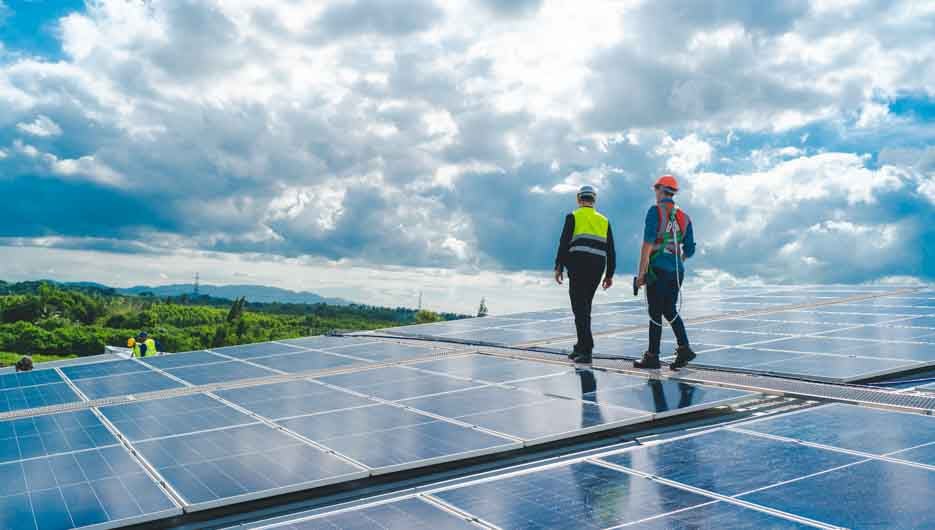
Energy & Utilities Sector Report
Published date: November 17, 2025
The energy and utilities sector is undergoing a profound transformation, driven by decarbonisation, digital innovation, and shifting regulatory landscapes. However, the sector is also experiencing increased skills-shortages as legacy workers are retiring, leaving knowledge gaps in the exisiting workforce. From the rapid expansion of renewable energy and decentralised grids to the growing urgency around energy security, organisations are required to rethink their traditional hiring models to secure the talent they need to shape the future of the industry.
Whether you're a policymaker, investor, business leader, or sustainability advocate, this guide provides a clear-eyed view of the sector’s evolving dynamics. Grounded in rigorous economic analysis and supported by sector-specific insights from our Market Intelligence experts, this report is designed to inform smarter decisions in an increasingly complex energy landscape.
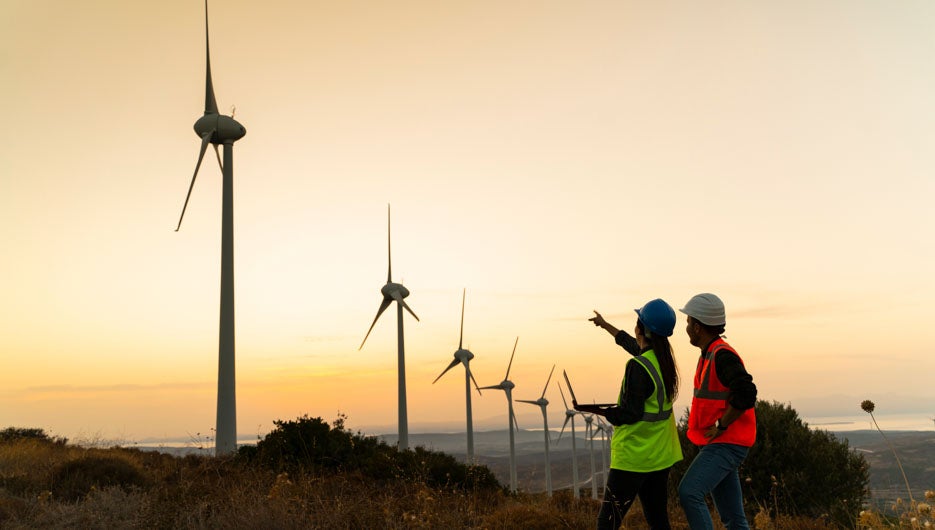
What is the energy & utilities sector?
The energy and utilities sector encompasses industries responsible for producing, distributing, and managing essential resources such as electricity, natural gas, water, and renewable energy. It plays a critical role in powering homes, businesses, and infrastructure, making it foundational to economic development and daily life. This sector includes a wide range of activities, from energy generation to distribution networks that shape how we live and work.
What are the benefits of sector-based insights for hiring leaders?
With every industry evolving, it's no different for energy & utilities. The skills required for basic operations are also changing as AI and sustainability expertise are rising in demand forcing energy and utilities firms to compete with other sectors.
Sector-based insights help employers align their talent decisions with what's happening on the ground. Some of the key benefits of understanding these talent insights include:
- Targeted talent acquisition: Understanding sector-specific trends helps hiring leaders identify the skills, roles, and experience most in demand. This enables more precise job descriptions and sourcing strategies to ensure they have the right talent in their teams.
- Improved employer branding: Insight into sector and talent trends can help organisations understand what talent in the industry values and attract those people through a tailored employee value proposition.
- Future-proofing the workforce: The ability to anticiapte future skills needs based on market data can support organisation to develop a future-focused workforce strategy and build resilient teams that can ensure organisational success even during significant sector shifts.

What are the hiring challenges within the energy & utilities sector?
Hiring within the energy and utilities sector presents a unique set of challenges as the industry undergoes rapid transformation. One of the most pressing issues is the skills gap. Traditional roles are evolving, and there’s a growing need for talent with expertise in clean energy technologies, AI, and sustainability.
Another challenge is geographic mobility. As infrastructure investments shift toward renewable energy hubs and modernised grids, talent tends to relocate to regions with emerging opportunities, leaving some areas with shortages. Organisations must also contend with ageing workforces, particularly in legacy utilities, where institutional knowledge is at risk of being lost without effective succession planning.
To overcome these challenges, organisations must invest in reskilling, embrace flexible work models, and position themselves as leaders in the clean energy transition.
Why should organisations be concerned about shifts in the energy & utilities sector?
As the sector transitions toward increasing the use of clean energy sources and the addition of digital infrastructure, the demand for new skill sets such as AI and sustainability is increasing in demand. Organisations that fail to anticipate these shifts risk facing talent shortages and capability gaps.
Moreover, the sector’s transformation is influencing employee expectations. Top talent increasingly seeks purpose-driven work, and companies involved in climate-positive initiatives or energy innovation are more attractive to candidates, especially younger generations. This means organisations must evolve their employer brand to reflect their role in shaping a sustainable future.
Talent now follows infrastructure investment as they seek to relocate to where to where there are opportunities available to offer their skills.
Shifts in the sector also require reskilling and upskilling existing teams. Legacy roles are being redefined, and companies must invest in learning and development to stay competitive. In addition, grid modernisation, energy storage, and clean hydrogen hubs are creating niche technical demands coupled with government policies to reach climate targets.
Ultimately, organisations that understand and adapt to these sector shifts will be best positioned to attract purpose-driven professionals, build resilient teams, and lead the way in shaping a sustainable future.
FAQs
-
What is the difference between renewable and non-renewable energy?
Renewable energy comes from natural sources that replenish over time, such as sunlight, wind, and water. These sources are sustainable and have a lower environmental impact. Non-renewable energy, like coal, oil, and natural gas, is derived from finite resources that can be depleted. In addition, non-renewable energy also has a negative impact on the overall environment. Using non-renewables contributes to greenhouse gas emissions, while renewables support cleaner, long-term energy solutions for both consumers and the planet.
There has been a considerable shift across the globe towards cleaner energy sources, however 80% of the world's energy still comes from non-renewable such as fossil fuels.
-
Which market trends are impacting the energy and utilities sector?
The energy and utilities sector is impacted by a variety of factors as different countries and regions have varying approaches to energy. While Europe and parts of Asia are accelerating renewable energy efforts, countries such as the United States, Mainland China, and India are investing more into oil, gas, and coal.
The talent impact for this sector indicates that renewables hiring is in high demand, but low supply meaning that professionals with skills in renewable energy will come at a premium cost to organisations. This means workforce planning is crucial for companies seeking out in-demand skills.
-
Do you provide compensation benchmarking for roles in the energy and utilities sector?
Yes, we provide comprehensive compensation benchmarking for companies in the energy and utilities sector. Our service includes market analysis, role-specific salary data, and insights into incentive structures and benefits. We help organisations align their compensation strategies with industry standards, attract top talent, and ensure internal equity. Whether you're reviewing executive packages or frontline roles, our benchmarking supports informed decision-making to ensure your packages are both competitive and aligned with the market.
If you are interested in compensation benchmarking or talent insights, connect with our market intelligence experts.
Our Talent Advisory services
-
Compensation Benchmarking
Tailored salary and employee benefits benchmarking solutions.
Learn more -
Talent Mapping
Discover new talent pools and locate the skills your business needs.
Learn more -
Leadership Development
Transform your leadership landscape with our bespoke leadership development programmes.
Learn more -
Candidate Assessment
Take the doubt out of hiring decisions, career development and remuneration.
Learn more